Tip 1: Research your wild camping spot before you go
by Admin
Posted on 03-02-2023 10:50 AM
These simple wilderness and camping safety tips can help you have a trouble-free trip out in the wild:
● check the weather forecast. ●leave details of your route with a friend. ●make sure you’re feeling fit and healthy before you head out. ●brush up on some basic survival skills. ●pack some survival essentials such as a fire starter and extra food supplies. ●change your socks regularly—dry feet are happy feet. ●don’t consume alcohol or take drugs. ●research the local terrain and make sure you’re comfortable with any challenges it offers, such as uneven ground or steep climbs. ●carry an analog map in case your electronics fail.
Different rules apply for wild camping in different countries, so it’s important to check what restrictions apply in your chosen country. Even in countries where wild camping is legal, rules can vary from area to area, so you’ll still need to do some research into any local rules or guidelines to make sure that you’re wild camping in an approved spot. Below, we’ve outlined the general wild camping rules for all parts of the uk, along with selected other countries around europe and beyond. https://www.craicncampers.ie/can-i-park-my-craic-n-campers-vehicle-wherever-i-like-whats-wild-camping/ http://4u6.s3-website.eu-west-3.amazonaws.com/campervan-hire/campervans/Motorhome-Campervan-parking-laws-where-can-you-stay-overnight.html
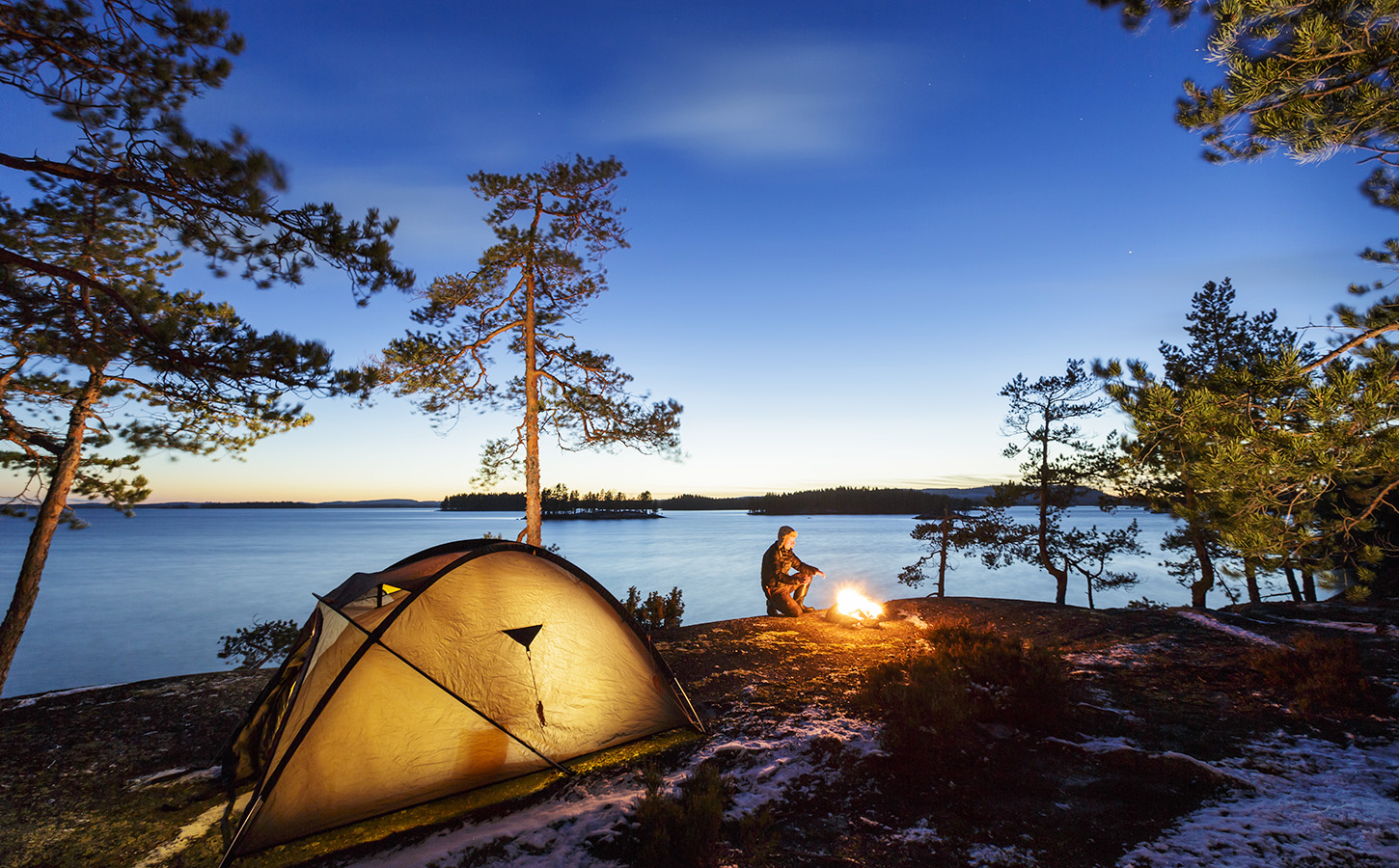
For those that have stealth camped before, these tips on how to find camping spots for stealth camps may seem blatantly obvious. You might even have more tips to add. Please feel free to contribute in the comments section if this is the case – share the knowledge, share the love!! for those that have never tried wild camping before, the following tips should prove to be very useful.
Tip 3: Make sure you’re far from the water source when you need the toilet
Water is an essential ingredient for any wild camping trip, so consider where you’ll get it and whether it will be fit to drink. Your map or route guide should indicate available sources, whether a tap at the toilets or shelter, or a natural watercourse such as a river or stream. If you are unsure of the quality of the water, treat it. Boil it for at least three minutes, or use a filter or chemical treatment.
 Lightweight purification kits are available from most outdoor equipment stores.
Stay well away from any natural water sources, and dig a hole at least 15cm deep so that you can bury solid waste. Take used toilet paper away with you in a sealed bag and dispose of it in a bin.
How wild camping is different than regular camping.
These easy wilderness and camping safety precautions can assist you in having a trouble-free vacation in the wild: examine the weather prediction. Before you go out, make sure you’re in good physical shape. Refresh your knowledge of basic survival skills. Pack some staples for survival, such as a fire starter and extra food. Bring a basic first-aid kit with you. Change your socks on a regular basis. Don’t drink or use illegal substances. Research the area and make sure you’re prepared for any problems it may present, such as uneven terrain or steep hills. Carry a paper map with you in case your gadgets fail.
Besides all your regular camping gear like a tent, sleeping bags, flashlights, or first aid kits, the following gear will come in handy when boondocking: folding table: great for prepping meals, eating, and playing cards. Folding chairs: these will help ensure you can get out and enjoy your surroundings. Water filtration system: you either need to bring extra water, or a way to purify water so you don’t get dehydrated while wild camping. Wash basin: for dishes, clothes, or anything else you need to clean. You may also want to bring along some dish soap and clothes. Camp stove: some dispersed camping locations don’t allow fires, so you can’t rely solely on cooking over flames.
A bivouac refers to a rudimentary, temporary campsite, pitched for a single night, from sunset until sunrise the next morning. It is generally something that hikers, trekkers, mountaineers or mountain bikers will do as part of their sport. Conversely, wild camping involves settling down in a single location for several nights, away from the usual camping pitches. It is therefore more popular with holidaymakers travelling in a vehicle (motor home, camper van, car, etc. ) who love nature and have more gear than your regular bivouacking enthusiast two very different practices which are nevertheless governed by the same regulations. To put it simply, bivouacking and wild camping are permitted wherever they are not banned (but, as we shall see, there are still quite a lot of restrictions).
In the usa, you can camp for free in us national forests & grasslands, except where otherwise marked (check before setting out as each forest has different rules). Similarly in canada, wild camping on crown land is allowed (covering around 89% of the country), unless there are restrictions in place. You can also wild camp in the “backcountry” of national parks, but you’ll need a permit first. Australian laws on wild camping are surprisingly strict – it’s generally illegal, though there are plenty of designated rest areas where people can pitch up. But you can still get an ‘authentic’ wild camping experience at numerous ‘free camping’ sites in national parks, state forests, and other rural locations.
When it comes to the camping in scotland rules, this is where it get’s confusing. Although thanks to right to roam, you can pitch up a tent wherever you fancy (within reason) the same rules are not applied to vehicles. If you are hoping to enjoy some motorhome camping in scotland, we recommend reading up on the parking rules from the scottish outdoor access code. Many people wanting to go wild camping in scotland assume campervans and motorhomes fall under the same rules, and although we are massive fans of van life (we toured new zealand in a campervan and australia ) we genuinely believe to truly appreciate our wee country motorhome camping in scotland does not come close to tent life.
The best countries for wild camping are canada, new zealand, australia, iceland, u. S. A, england and india.