Best Pruning Practices
by Admin
Posted on 19-03-2026 09:30 PM
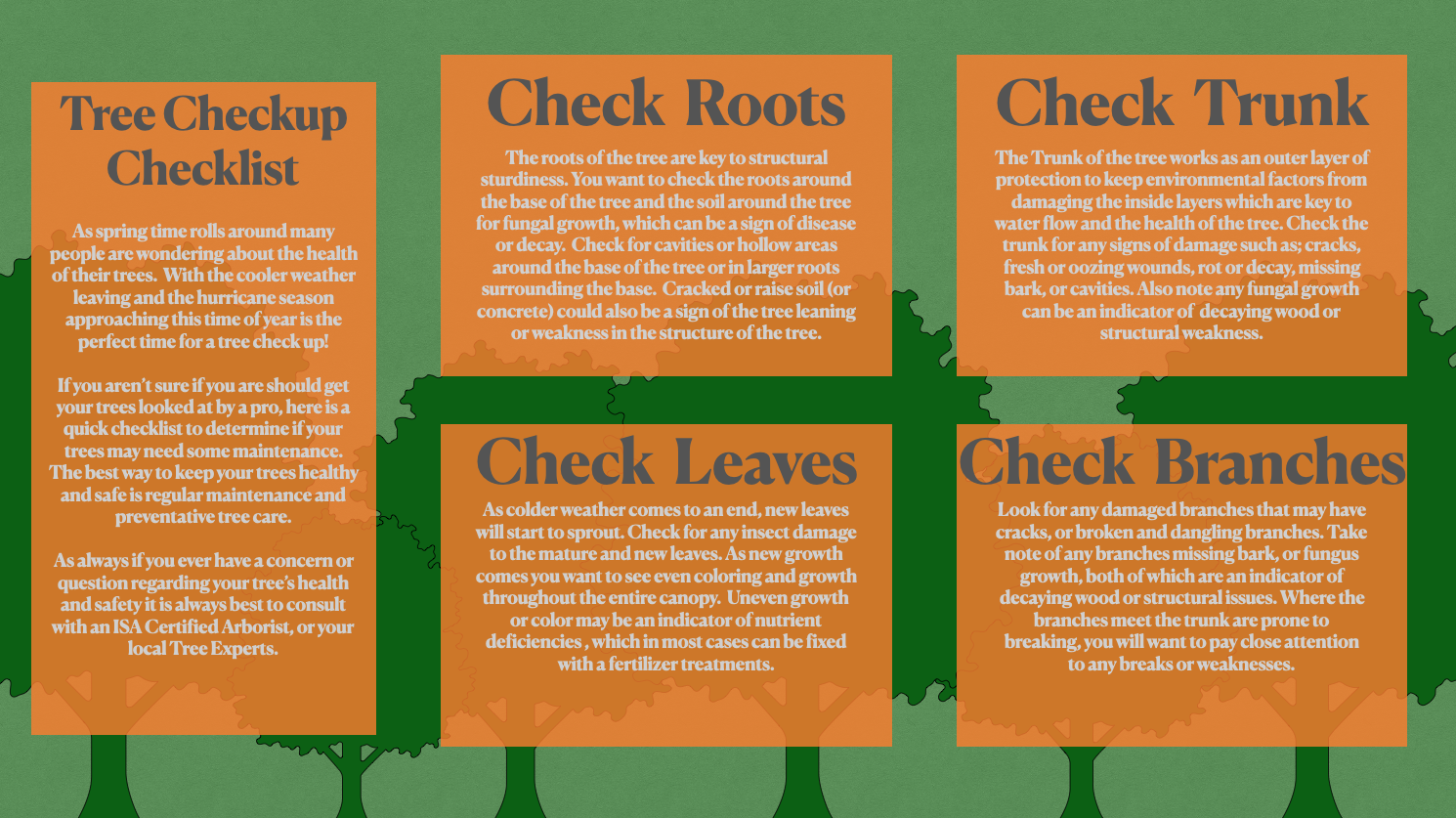
Understanding Pruning Basics
Pruning is more than just cutting back plants. It involves thoughtful removal of specific parts to achieve desired results. The primary goals include removing dead or diseased wood, improving structure, controlling size, and encouraging flowering or fruiting. Proper pruning requires knowledge of plant growth patterns and an understanding of how different plants respond to cutting.
When to Prune
Timing is crucial when it comes to pruning. Most plants benefit from pruning during their dormant season, typically late winter or early spring before new growth begins. This timing minimizes stress and allows plants to heal quickly as growth resumes.
Seasonal Considerations
Spring-flowering plants should be pruned immediately after flowering, as they bloom on old wood. Summer-blooming plants typically flower on new growth and should be pruned in late winter or early spring. Evergreens are best pruned in early spring, while deciduous trees are most responsive to winter pruning.
Plant-Specific Timing
Some plants have unique pruning requirements. For instance, maple trees should be pruned in late summer to avoid bleeding, while birch trees prefer late spring or early summer pruning. Always research specific plants before pruning.
Essential Tools for Pruning
Having the right tools makes pruning more efficient and reduces damage to plants. Basic pruning tools include hand pruners, loppers, pruning saws, and hedge shears.
Types of Pruning Tools
Hand pruners work best for small branches up to ½ inch in diameter. Loppers handle branches up to 2 inches, while pruning saws are designed for larger branches. Hedge shears are ideal for shaping hedges and topiaries.
Tool Maintenance
Keep pruning tools clean and sharp to prevent disease transmission and ensure clean cuts. Disinfect tools between plants, especially when removing diseased material, using a solution of one part bleach to nine parts water.
Pruning Techniques
Proper cutting techniques are vital for plant health. Always make clean cuts at a slight angle about ¼ inch above an outward-facing bud. This directs growth outward and prevents water from collecting on the cut surface.
Making Proper Cuts
There are three basic types of pruning cuts: thinning cuts remove entire branches back to the main stem, heading cuts shorten branches back to a bud, and renewal cuts remove old wood to encourage new growth.
Different Pruning Methods
Common pruning methods include cleaning (removing dead or diseased wood), thinning (selective branch removal to improve structure), reduction (decreasing plant size), and structural pruning (training young trees).
Common Pruning Mistakes to Avoid
Following Best Pruning Practices can help you avoid over-pruning, which can stress plants and reduce flowering. Never remove more than 25-30% of a plant's canopy in a single season. Also, avoid leaving stubs, which can lead to disease and decay.
Frequently Asked Questions
How often should I prune my plants?
Most plants need annual pruning, but the frequency depends on the plant type and growth rate.
Can pruning kill a plant?
Improper pruning can severely damage or kill plants, especially if too much foliage is removed at once.
Is it necessary to seal pruning cuts?
Most modern research suggests that sealing pruning cuts is unnecessary and may even interfere with healing.
What should I do with diseased branches after pruning?
Dispose of diseased branches in the trash, not in compost, to prevent disease spread.
Can I prune in summer?
Light summer pruning is acceptable for some plants, but avoid major pruning during hot or dry periods.